Would you like to receive our quarterly Housing Market update in your mailbox?
Then sign up below! If you have any questions, please do not hesitate to reach out to Jasper and his team.
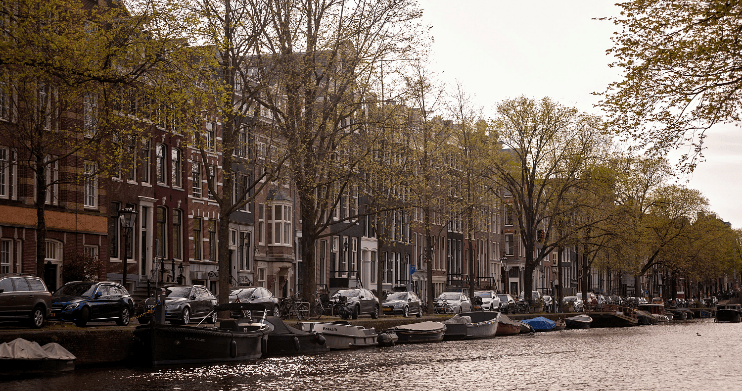 Dynamic Credit Dutch Housing Market Update Q3 2025
<p><strong>The outcome of this week’s Dutch parliamentary elections is set to play a decisive role in shaping the country’s housing market outlook. Housing has once again emerged as one of the defining political issues, with most major parties wanting faster construction, simpler procedures and stronger national coordination. Yet, as the political landscape shifts, the housing shortage remains and key market indicators show both resilience and imbalance. Despite rising transaction volumes and sustained mortgage demand, the supply of new homes continues to fall short of government targets. Regulatory uncertainty and high building costs persist, while the market remains supported by solid household incomes and stable financing conditions.</strong></p>
<p>Download the full report below or sign up to <a class="" href="https://zcmp.eu/u4w">receive the next update by e-mail</a>.*</p>
<h2>House prices rise amid strong sales activity</h2>
<p>Dutch house prices rose 7.8% YoY and 1.8% QoQ in 2025-Q3, slightly below the 9.7% annual increase recorded in Q2. Approximately 63,000 homes were sold, marking a 15.6% YoY and 9.0% QoQ increase. Regional differences remain pronounced: Groningen (+10.9%) and Drenthe (+10.3%) showed the strongest price growth, while Noord-Holland (+4.9%) recorded more moderate gains, reflecting continued sales of former rental properties to owner-occupiers.</p>
<h2>Permits recover modestly but remain below target</h2>
<p>The number of new building permits reached 22,600 in Q3, up from 20,400 in Q2 but still 12.5% below 2024 levels. Zuid-Holland and Noord-Holland remain the most active provinces, while Groningen recorded the largest annual increase. Despite this rebound, construction volumes remain well below the government’s long-standing target of 100,000 new homes per year – reaffirmed by several parties during the election campaign.</p>
<h2>Mortgage activity strengthens</h2>
<p>Mortgage origination volumes continued to grow in Q3, reflecting strong buyer demand and stable interest rates. Total mortgage inscriptions reached EUR 45 billion, an 8% QoQ and 22% YoY increase. Mortgage applications also remained high, with 134,000 new requests submitted through HDN (up 16% YoY). Of these, 84,000 were related to home purchases and 51,000 to refinancing or further advances. The average purchase mortgage rose to EUR 374,000, while the average home value increased to EUR 513,000.</p>
<h2>Investors continue to exit, reshaping housing supply</h2>
<p>Investor sell-offs remain a defining trend. Apartments – historically the core of investor portfolios – made up 35% of transactions in 2025-Q3, up from 25% in 2020. This boosted supply for owner-occupiers but tempered price growth, with apartment prices rising only 2% YoY compared to 8% for other property types. As private landlords reduce holdings, the rental stock, particularly in major cities, continues to shrink, putting upward pressure on rents.</p>
<h2>Rental prices climb as supply contracts</h2>
<p>The average rent in the free sector increased to EUR 1,856 per month in Q3-2025, requiring a gross monthly income of EUR 5,569 to qualify. Rent growth was strongest in Eindhoven (+15.2% YoY) and Drenthe (+16.3%), while Groningen remained stable. The mid-market rental segment (EUR 1,500-2,000) is under the most strain, with demand far exceeding supply.</p>
<h2>Elections to determine direction of housing policy</h2>
<p>Housing policy was central to the October elections, with broad political agreement on the need to accelerate homebuilding and improve affordability. Proposals range from national acceleration laws and simplified permitting to revised fiscal measures affecting homeowners and landlords. While the goals are shared, concrete implementation plans differ and will depend on coalition negotiations now underway.</p>
<h2>Outlook: continued growth at a moderate pace</h2>
<p>Major banks expect house prices to keep rising through 2025 and 2026, supported by wage growth and stable mortgage rates. Transaction volumes are projected to remain elevated through year-end, though price growth is likely to moderate as affordability constraints persist. The political outcome will be crucial in determining whether the next government can finally turn shared ambitions on housing supply into tangible results.</p>
<p><strong>Disclaimer</strong></p>
<p>Dynamic Credit Partners Europe B.V. (‘Dynamic Credit’) is a registered investment company (beleggingsondernemingsvergunning) and a registered financial service provider (financiëel dienstverlener) with the Dutch Authority for the Financial Markets (Autoriteit Financiële Markten). This presentation is intended for informational purposes only and is subject to change without any notice.The information provided is purely of an indicative nature and is not intended as an offer, investment advice, solicitation or recommendation for the purchase or sale of any security or financial instrument. Dynamic Credit may in the future issue, other communications that are inconsistent with, and reach different conclusions from, the information presented herein. Dynamic Credit cannot be held liable for the content of this presentation or any decision made by a third party on the basis of this presentation. Potential investors are advised to consult their independent investment and tax adviser before making an investment decision. An investment involves risks. The value of securities may fluctuate. Past returns are no guarantee for future returns.</p>
Then sign up below! If you have any questions, please do not hesitate to reach out to Jasper and his team.